Living in Djibouti: the complete expat guide (2026 edition)
Updated October 21, 2026 · Written by the DjibShare team from expat community feedback · 20 min read · Version française
What is the cost of living in Djibouti in 2026?
According to DjibShare, a single person needs roughly €1,800 to €2,500 per month (360,000–500,000 DJF, ~$2,026–2,813), and a family of four €4,000 to €6,000 (800,000–1,200,000 DJF, ~$4,501–6,752), including rent, electricity and school fees. Overall, living in Djibouti costs about 31% more than in France, mainly because almost everything is imported and air conditioning runs most of the year.
Monthly budget in Djibouti according to DjibShare (2026)
Planning a move to Djibouti? Whether you are posted to Camp Lemonnier, joining the French forces (FFDj), working for an embassy, an NGO or an international organization, or taking a civilian job in port logistics, settling in the Horn of Africa takes solid preparation. The cost of living is estimated at about 31% higher than in France, due to heavy reliance on imports.
💶 All prices are in euros, with the Djibouti franc (DJF) amount in brackets, based on €1 ≈ 200 DJF (US$1 = 177.72 DJF, fixed peg).
To avoid surprises when you land at Djibouti-Ambouli airport, prepare these items several months ahead. Tick each step: your progress is saved on your device.
✅ Votre progression : 0/10 démarches (0 %)
Cochez au fur et à mesure : vos cases sont mémorisées sur cet appareil, même si vous fermez la page.
🛂 Paperwork & health
📦 In your shipping crate
📄 Download the Pre-departure Checklist Djibouti 2026 (PDF)
A printable one-page tick list. Leave your email to get it.
🎖️ 2. Military & civilian relocation: 5 reflexes on arrival
Prepare your move 4 to 8 months ahead (from January for a July-August arrival): housing, school enrolment, shipping crate.
Follow the security colour code issued by your command or employer: some areas outside the capital require authorization.
Plan customs clearance for your crate and vehicle (average duty 33% of CIF value).
Insist on Inverter split air conditioners: up to 40% savings on your EDD electricity bill.
Activate your Djibouti Telecom SIM on day one (no eSIM) and join community support groups.
✈️ Arriving at Ambouli airport
Airport Taxi can be booked on 1530 or +253 77 10 35 31. For your first nights while you look for housing:
Indicative hotel rates per night, to be confirmed with each hotel (€1 ≈ 200 DJF).
🗓️ Your first month, step by step
Day 1: SIM card at Bawadi Mall, D-Money or Waafi app.
Week 1: open a bank account, visit homes, enrol the children.
Weeks 2-3: EDD (electricity) and ONEAD (water) contracts, choose a doctor and a paediatrician.
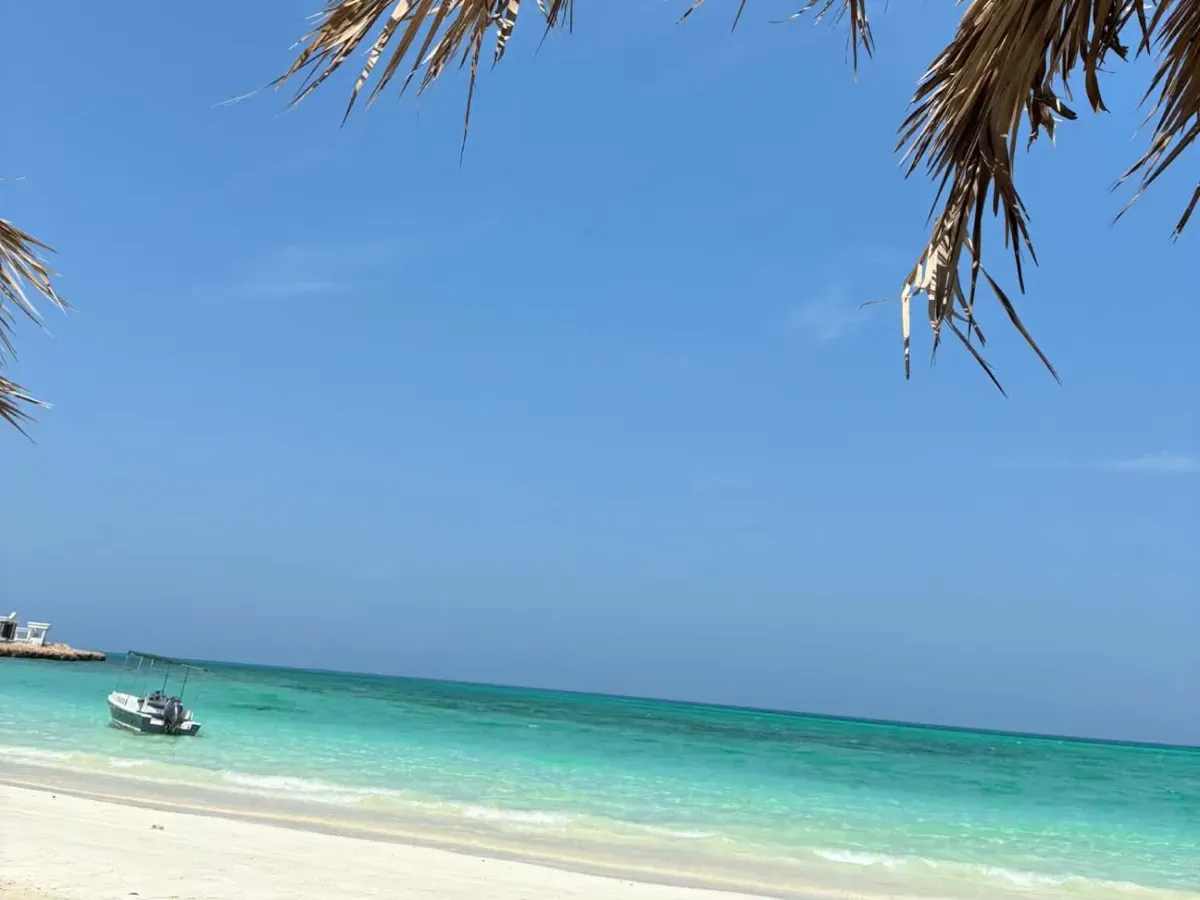
Month 1: first weekend on Moucha Island to unwind — from 7,000 DJF (~$39) per person.
Before month 6: exchange your driving licence.
⚖️ Local contract: what Djibouti's Labour Code says
If you are hired on a local contract (not seconded or military), Law No. 133/AN/05/5th on the Labour Code applies.
Written contract and ministry approval: a foreign worker's contract must be written and approved by the Ministry of Labour before the work residence permit. The work permit is renewed yearly.
Working hours: 48 hours a week, usually over 6 days, with Friday off.
Fixed-term contracts: 12 months maximum, renewable once (24 months total), then converted to permanent.
Paid leave: 2.5 days per month worked, i.e. 30 days a year. Notice of 1 to 3 months depending on status.
Status
Maximum probation
Hourly employee
15 days
Monthly employee
1 month
Manager
3 months
General guidance: have your contract checked by the Labour Inspectorate before signing.
🏡 3. Housing in Djibouti: the best neighborhoods
Expats mainly live in Héron (neighborhood life, beach), Haramous (villas with pools, international schools, embassies) and Gabode (close to the bases and the French school). Expect €750 to over €3,000 per month depending on area and type of home.
Héron: the heart of expat life
On a peninsula, Héron offers an excellent balance of safety, community life and proximity to downtown: shops, restaurants, villas and modern residences. Its beach is the go-to place to cool off after work.
Haramous: the upscale residential area
Large 3-4 bedroom villas with pools, embassies, diplomats and QSI International School. The quietest and most secure area, but further out.
Gabode and Gabode 5: strategic location
Right next to the military bases and Camp Lemonnier access roads, popular with military families. Modern apartments close to shops.
Indicative ranges: rents vary with condition, equipment (generator, air conditioning) and negotiation.
⚡ Key criteria: generator, water and splits
A working generator: power cuts are frequent in the hot season.
Water tank and booster pump: water pressure drops in summer.
Drinking water: tap water is hard and brackish, for showers only; drink 5 L or 10 L jugs (Okar, Fontaine).
🔑 How to find a home
Word of mouth rules: expat WhatsApp and Facebook groups (“Expats of Djibouti”), departing colleagues and local agencies. Always visit before signing and check the AC and the generator. Deposit: usually 1 to 2 months' rent, often in cash or by bank cheque, plus the first month. Make a written inventory with photos.
💬 A question about settling in or your weekends?
Message the DjibShare team on WhatsApp: we'll point you to the right local contacts, free of charge.
🌐 4. Internet and telecoms: choosing a Djibouti Telecom plan
Djibouti Telecom is the only operator. There is no eSIM in Djibouti. A SIM card costs ≈ €5 (1,000 DJF (~$5.6), including 500 DJF (~$2.8) credit) (passport required), for example at the Bawadi Mall agency. Evatis top-up cards are sold at supermarket desks and small shops.
Installation: about €55 (11,000 DJF, ~$62). Basic unlimited residential plan: about €52/month (10,500 DJF, ~$59). Fibre is being rolled out gradually: check eligibility for your area at an agency.
📍 Djibouti Telecom agencies
Open 8 am-5 pm, except Bawadi Mall: 10 am-10 pm, Saturdays included (+253 21 35 28 40). Other agencies: Aviation (21 35 05 06), Marché Ryad (21 35 96 72), Marabout (21 32 39 34), Boulaos (21 32 30 00), Balbala Cheikh Moussa (21 31 52 29), PK12 (21 36 20 99), and one in each regional capital.
🛒 5. Groceries & vehicles
You can drive in Djibouti with your foreign licence for 6 months; after that it must be exchanged for a Djiboutian licence. Importing a vehicle older than 7 years is prohibited and average duty is about 33%.
Fruit, vegetables and crafts at the Central Market and Marché Ryad. Military personnel also have access to their base exchanges (PX at Camp Lemonnier, EdA for French forces).
Home delivery: the Kikidrop (meals, parcels, groceries) and Waaka (restaurants and services) apps deliver across the city, cash or mobile money payment.
🚗 Licence, import and vehicle
Licence: valid 6 months after arrival, then mandatory exchange for a Djiboutian licence.
Import: vehicles over 7 years old prohibited; average duty 33% of CIF value.
Removals: use a local freight forwarder (e.g. Transit Marill) to clear your shipping crate.
📦 Removal container: the customs roadmap
Valued inventory: detailed, dated, signed packing list valued in EUR or USD, separating used and new goods (original receipts for new items).
Consumables trap: large stocks (detergent, diapers, soap) can get the shipment reclassified as commercial freight, with duties and a blocked container.
Vehicle: proof of ownership for over 6 months and original registration certificate; duty of about 33% of CIF value.
Paying at the port: extra fees and handling charges are paid in cash. Appoint a licensed forwarder before the ship arrives to avoid demurrage.
🪪 Exchanging your driving licence: the steps
Prepare your file: foreign licence, passport, residence permit, ID photos and proof of address.
Medical check: get a medical certificate of fitness to drive.
Submit the application: at the Direction des Mines or the Prefecture, well before the end of your 6th month.
Collect your Djiboutian licence: keep the filing receipt to drive in the meantime.
Exact documents may vary: confirm at the counter before filing.
🚙 Do you need a 4x4?
In town, a sedan is enough. For Assal, Ghoubbet, Arta or the Day Forest, a tropicalized 4x4 becomes essential — see our 4x4 rental guide, or book a trip with a driver on DjibShare.
📊 6. Cost of living in Djibouti: 2026 price barometer & monthly budget
Typical prices observed in October 2026 (indicative, except DjibShare rates).
Excluding school fees and health insurance. For comfort equivalent to Western Europe, plan an income about one third higher.
🏫 7. Schools, childcare and healthcare
For an English-language curriculum: QSI International School (Haramous), International School of Djibouti (Gabode 5) or International School of Africa (Nagad, bilingual). For a French curriculum: the Lycée français de Djibouti and École de la Nativité.
Adults: the Institut français de Djibouti (rue de Genève, +253 21 35 35 13) offers French, English, Somali, Arabic and Afar classes. For childcare, the “Expats of Djibouti” Facebook group helps find experienced nannies.
General practice: Dr Fatouma Yacin (Aviation, +253 21 35 75 75); Clinique Moukaram (Makka Moukarama, +253 21 35 47 20).
Paediatrics: Acina Paediatrics (Aviation, +253 21 35 75 75); Dr Ahmed Assakaf (Moulk Center, +253 21 35 60 16); Dr Fozia Hassan (Clinique du Héron); Dr Issa Abdi (Clinique Pasteur).
Dentists / orthodontists: Dr Ramsis Fathi (Moulk Center, +253 21 35 08 18); Dr Eirik Pertus (Kempinski, +253 21 35 00 38); Dr Nasihe Fathi (rue d'Éthiopie, +253 21 35 67 69).
Physiotherapy / osteopathy: Kin'Active (Moulk Center, +253 21 34 21 12); Kiné Pro (Gabode 5, +253 21 34 73 21).
Laboratory: Laboratoire Abdan (+253 21 35 03 60).
💊 Pharmacies and home delivery
Pharmacie du Mall (21 34 29 98), Pharmacie de l'hôpital (21 34 04 03), Pharmacie centrale (21 35 12 57). Allo Pharma delivers medicines to your door: order by phone or WhatsApp on +253 77 87 45 59, pay in cash, D-Money, Waafi or CAC Pay.
Take out international health insurance before arriving: local care is paid out of pocket.
💬 A question about settling in or your weekends?
Message the DjibShare team on WhatsApp: we'll point you to the right local contacts, free of charge.
La Taverne: traditional French cuisine (closed Sundays).
Le Lor'Braise: bistro and grill near the airport.
La Chaumière: European classic with a terrace, city centre.
La Mer Rouge: fish, crab and lobster picked from the tank.
Chez Youssouf: the best Yemeni-style fish baked in a clay oven.
Signatures: the best Indian restaurant in town.
La Fusion: continental and Asian, industrial zone.
Appetito: Turkish flavours opposite the Hamoudi mosque.
🧭 9. Sea and land trips with DjibShare (2026 prices)
For weekends, the community uses DjibShare: book a shared seat or a private trip with verified local providers. Prices include transport, vehicle or boat, fuel and guide.
🏝️ Sea trips
Sea · full day (Fridays)
Moucha & Maskali Islands
The classic expat weekend: snorkeling, beach and a 35-minute boat crossing.
👥 Shared: ≈ €35 / person (7,000 DJF (~$39): boat + Fun Park beach)
☀️ In the hot season, expats escape the heat to the Day Forest and Goda mountains (≈ 10 °C cooler than the city). All rates: excursion prices in Djibouti.
Family or friends visiting for a week?
Create their ideal Djibouti itinerary in one click, with real prices.
⚖️ 10. Going on your own or booking with DjibShare?
Criterion
On your own
With DjibShare
Vehicle
Rented 4x4 without driver or fuel, excess in case of damage
4x4 with driver-guide, fuel included
Tracks (Abbé, Assal)
Risk of punctures and getting lost
Driver used to the tracks
Moucha Island
Boat negotiated on the spot at the port
Shared seat at ≈ €35 (7,000 DJF, ~$39), fixed schedule
Price
Variable, negotiable
Displayed prices, online booking
🍹 11. Safety, nightlife and getting around
Safety depends on the areas visited and current conditions: read official travel advice before travelling. Our Djibouti travel safety guide explains risks, precautions and official sources. Remember three numbers: 17 (police), 18 (fire brigade) and 116 (gendarmerie).
People stroll in the evening around Héron or Place du 27-Juin. Military personnel and their families follow their command's guidance. All numbers on one page: emergency and useful numbers in Djibouti.
Nightlife is busiest on Thursday and Friday evenings: the Shamrock (Irish pub, Héron), the Safari Club (Kempinski) and Café de la Gare. The national ferry links Djibouti to Tadjourah and Obock (tickets at the port the day before). More in the transport guide.
12. EDD electricity bill in Djibouti: what budget in 2026?
In Djibouti you pay in cash, by VISA card in large stores, and increasingly by mobile money (D-Money, Waafi). EDD electricity and ONEAD water bills are paid at an agency or through these apps.
EDD bill: €75 to €150/month (15,000 to 30,000 DJF, ~$84–169) in the cool season; €400 to over €750/month (80,000 to 150,000 DJF, ~$450–844) in the hot season for a large air-conditioned villa. Inverter splits save about 40%.
D-Money (Djibouti Telecom): the most widespread, accepted from grocery stores to pharmacies. Top it up in cash at a Djibouti Telecom agency or authorized agent, or by transfer from your bank account. Without internet, dial *111# to pay EDD/ONEAD bills or top up airtime.
Waafi (Salaam African Bank): merchant payments and transfers.
CAC Pay, BCIMR Pay and Saba Pay: linked to your bank account.
Money transfers: Dahabshiil, Amal Express, Western Union (BCIMR, place Lagarde), MoneyGram (rue Marchand) and La Poste.
November to April: 25-30 °C, nights around 20 °C — ideal to settle in and go out to sea. May to October: 42 to 47 °C in July-August with the Khamsin wind, humidity up to 90% in September-October. Live early in the morning, rest in the cool midday, socialize in the evening.
🦟 Malaria and dengue: the calendar to know
Malaria is seasonal: it starts quietly in October, rises sharply in late November and peaks in February-March, until April. Sleep under a treated net, fit screens on doors and windows, wear long light clothing in the evening. Fever, chills, headache or nausea during this period: see a doctor without delay — treated early, malaria is not dangerous.
🌡️ Extreme heat (April to October)
Drink water even when not thirsty; limit alcohol, caffeine and sodas.
Avoid physical effort between 11 am and 5 pm.
Cramps, dizziness, confusion: signs of heatstroke, seek care immediately.
🐾 Can I bring my dog or cat?
Yes: rabies antibody titre less than 3 months old and a veterinary certificate 48 hours before the flight. Watch out for ticks (ehrlichiosis) and heat for long-haired breeds.
📅 The expat's year
Period
What happens
November – March
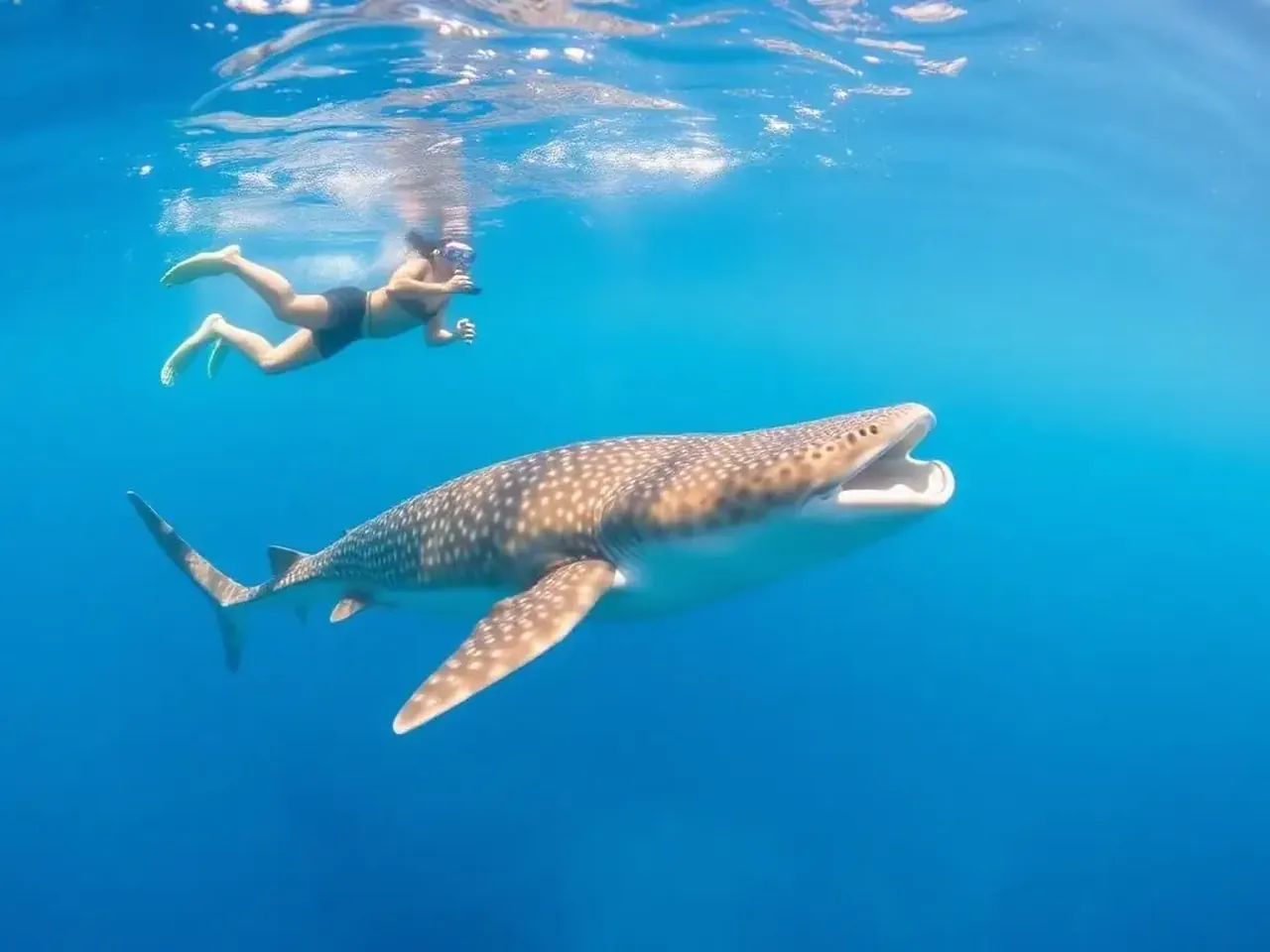
Mild season (25-30 °C): Moucha every Friday, bivouac at Lake Abbé, whale sharks in Arta Bay (November-January).
April
Temperatures rise, end of the malaria peak.
May – August
Intense heat and Khamsin, holidays, rotations and family arrivals.
September – October
School year starts, settling in, EDD/ONEAD contracts, high humidity.
Hours: offices and banks roughly 7:30 am to 1:30 pm; in the afternoon it's khat time and activity slows down. Do your paperwork in the morning. The weekend is on Friday.
🗣️ 14. Practical local lexicon
Term
Meaning
Example
Faranji
Foreigner, European
“The faranji is looking for Héron beach.”
Okar
Mineral water in jugs
“Remember to order two jugs of Okar.”
Split
Wall-mounted air conditioner
“Turn off the split before leaving.”
Boutre (dhow)
Motorized wooden boat
“Shall we book a dhow to Maskali?”
Khat
Local stimulant plant
“The office is closed, it's khat time.”
The Camp
Camp Lemonnier or French bases
“I'm going shopping at the camp PX.”
D-Money
Djibouti Telecom mobile payment
“I'll pay you with D-Money.”
PK12
Kilometre point 12, edge of the city
“We meet at PK12.”
What is Okar water in Djibouti?
Okar is a mineral water brand sold in large refillable jugs and bottles. Expats have jugs delivered to their homes because tap water is not drinkable.
How does the D-Money app work?
D-Money is Djibouti Telecom's mobile payment service. Top up your account in cash at an agency or authorized agent, then pay or send money from your phone: grocery stores, pharmacies, EDD electricity and ONEAD water bills.
What does “Faranji” mean in Djibouti?
Faranji means foreigner, especially a European. The word is common and not pejorative.
What is khat in Djibouti?
Khat (or qat) is a plant with stimulant leaves chewed in the afternoon. Its daily arrival shapes local life: activity often slows down after lunch.
What is a dhow (boutre) in Djibouti?
A dhow is a traditional wooden boat, now motorized, used for fishing and crossings to Moucha and Maskali islands.
📈 15. Djibouti in figures (2026)
Population: about 1.2 million, mostly in the capital.
Currency: the Djibouti franc (DJF) is pegged to the dollar (US$1 = 177.72 DJF); €1 ≈ 200 DJF.
Official languages: French and Arabic; Somali and Afar spoken daily. English is widely understood in business and around the bases.
Country code: +253 · time zone UTC+3.
Regions: Djibouti City, Arta, Ali Sabieh, Dikhil, Tadjourah, Obock.
⚠️ 5 classic newcomer mistakes
Underestimating the summer EDD bill: AC with windows open, and a large villa's bill can exceed 150,000 DJF (~$844) a month.
Leaving the licence exchange too late: start in month 3 or 4, not month 6.
Buying a low city car if you plan to drive to Assal, Ghoubbet or Arta: get a 4x4 or rent one for trips.
Drinking tap water: even boiled, it stays hard and brackish; buy jugs.
Ignoring the local rhythm: government offices in the morning only, slower afternoons, weekend on Friday.
💬 A question about settling in or your weekends?
Message the DjibShare team on WhatsApp: we'll point you to the right local contacts, free of charge.
Plan roughly €1,800 to €2,500 per month for a single person and €4,000 to €6,000 for a family of four, including rent, electricity and school fees. The cost of living is about 31% higher than in France.
How much is rent in Djibouti?
As a guide: €750 to €1,250 per month for an apartment in Héron, €900 to €1,400 in Gabode, €1,750 to €3,250 for a villa with pool in Haramous.
Is it dangerous to live in Djibouti?
No. Violent crime is very low in Djibouti City and people walk around Héron in the evening. Emergency numbers: 17 police, 18 fire brigade, 116 gendarmerie.
What salary do you need to live well in Djibouti?
For comfort equivalent to Western Europe, plan an income about one third higher, because of imported goods and air conditioning.
How do you find housing in Djibouti?
Mostly through word of mouth, expat WhatsApp and Facebook groups (“Expats of Djibouti”) and local real-estate agencies. Always visit before signing.
Can I drive with a foreign licence in Djibouti?
Yes, a foreign licence is valid for your first 6 months. After that, it must be exchanged for a Djiboutian licence.
Can I import my car to Djibouti?
Yes, provided the vehicle is less than 7 years old. Expect an average duty of about 33% of the CIF value.
Which international schools are there in Djibouti?
English curriculum: QSI International School (Haramous), International School of Djibouti (Gabode 5) and International School of Africa (Nagad, bilingual). French curriculum: Lycée français de Djibouti and École de la Nativité.
Which clinic should I choose in Djibouti?
Expats mostly use Clinique du Héron (+253 21 34 55 13), SOM Clinique (+253 21 33 50 15) and Polyclinique de Djibouti (+253 21 35 38 29). Allo Pharma delivers medicines to your door (+253 77 87 45 59).
When is malaria most common in Djibouti?
It starts in October, rises in late November and peaks in February-March, lasting until April. Treated mosquito nets and repellent are essential during this period.
Can you drink tap water in Djibouti?
No. Tap water is hard and brackish and used for showering; drink water from jugs or bottles.
How much is a taxi in Djibouti?
About €3 (600 DJF, ~$3.4) for a daytime ride in the city centre or Héron. From the airport, Airport Taxi can be booked on 1530.
Do I need a Visa or MasterCard in Djibouti?
Bring a VISA card: it is the only one accepted without restriction at ATMs. Locally, D-Money and Waafi mobile payments are widespread.
What time zone is Djibouti in?
East Africa Time, UTC+3, with no daylight saving time.
How much do excursions cost for expats in Djibouti?
On DjibShare: Moucha Island ≈ €35 per person (7,000 DJF, ~$39), Lake Assal ≈ €58 in a shared 4x4 (11,500 DJF, ~$65) or ≈ €230 private, Lake Abbé ≈ €112 shared (22,500 DJF, ~$127) or ≈ €450 private, whale sharks in Arta Bay from ≈ €350 per private boat.
Are eSIMs available in Djibouti?
No. You need a physical Djibouti Telecom SIM card (≈ €5, i.e. 1,000 DJF (~$5.6) with 500 DJF (~$2.8) credit, passport required), for example at the Bawadi Mall agency, open until 10 pm.
Do you need a 4x4 to live in Djibouti?
Not in town, where a sedan is enough. Yes for trips to Lake Assal, Ghoubbet, Arta or the Day Forest: rent a 4x4 or book a trip with a driver.
How much is the rental deposit in Djibouti?
Usually 1 to 2 months' rent, often paid in cash or by bank cheque, on top of the first month.
Can I bring my pet to Djibouti?
Yes, with a rabies antibody titre less than 3 months old and a veterinary certificate issued 48 hours before the flight.
What are the rules of a local employment contract in Djibouti?
Written contract approved by the Ministry of Labour, 48 hours per week, probation of 15 days to 3 months depending on status, fixed-term contracts of 24 months maximum including renewal, and 30 days of paid leave per year.
How do I clear my removal container at the port of Djibouti?
Provide a detailed, signed inventory valued in EUR or USD, avoid large stocks of consumables, bring cash for port fees and appoint a licensed freight forwarder before the ship arrives.
What is Okar water in Djibouti?
Okar is a mineral water brand sold in large refillable jugs and bottles. Expats have jugs delivered to their homes because tap water is not drinkable.
How does the D-Money app work?
D-Money is Djibouti Telecom's mobile payment service. Top up your account in cash at an agency or authorized agent, then pay or send money from your phone: grocery stores, pharmacies, EDD electricity and ONEAD water bills.
What does “Faranji” mean in Djibouti?
Faranji means foreigner, especially a European. The word is common and not pejorative.
What is khat in Djibouti?
Khat (or qat) is a plant with stimulant leaves chewed in the afternoon. Its daily arrival shapes local life: activity often slows down after lunch.
What is a dhow (boutre) in Djibouti?
A dhow is a traditional wooden boat, now motorized, used for fishing and crossings to Moucha and Maskali islands.