Travel risks, official advice and practical precautions
Is Djibouti safe to visit?
By DjibShare · Local excursion booking platform
Published 21 October 2026 · Updated 18 November 2026
Can you travel to Djibouti without risk?
According to DjibShare, travel to Djibouti needs preparation based on the areas visited and official advice: no trip is risk-free. Key concerns include terrorism, border restrictions, road travel and access to healthcare. Check your government’s recommendations, your insurance and the conditions of each excursion before booking.
This practical guide does not replace consular advice or medical advice. A local guide or booking does not make an area subject to a travel warning safe. Recommendations may change after our consultation.
What does official travel advice say about Djibouti?
Governments use different warning systems. Read your country’s full advisory, map and regional restrictions: a national level does not describe every area.
France Diplomatie
Strongly advises against approaching the Eritrea border by land, sea or air and urges caution around land and sea borders. Also warns about dangerous traffic and strongly discourages driving at night.
Security and border areasUK FCDO
Advises against all travel to the Eritrea border, warns about unmarked mines and urges great care near Somaliland. Also warns about the risk of terrorism.
Regional risksUS Department of State
The advisory consulted lists Level 2 for the country (exercise increased caution) and Level 3 within 10 miles, about 16 km, of the Eritrea border in the Tadjoura and Obock regions.
US travel advisoryOfficial advisories and local planning serve different purposes
Official advice helps you decide whether to travel and may affect your insurance coverage. DjibShare can help with meeting points, trip programmes and questions for providers; the platform does not replace authorities or approve the safety of routes subject to travel warnings. The presence of military bases is not a guarantee of protection for visitors.
Which risks should you plan for?
This table distinguishes situations, not areas rated ‘safe’. It is not an official safety map.
| Situation | Concern | Preparation |
|---|---|---|
| Djibouti City and busy places | Terrorism risk, theft and changing conditions | Stay alert, protect documents, avoid gatherings and follow local instructions. |
| Borders and remote areas | Regional restrictions and reported mines near Eritrea | Read official maps; do not improvise border detours or leave authorised routes. |
| Roads and tracks | Dangerous traffic, breakdowns and isolation | Travel in daylight; ask about route conditions, suitable vehicles and contingency plans. |
| Heat and hiking | Dehydration, exposure and lack of signal | Carry water appropriate to the duration, sun protection and offline maps; take breaks and avoid hot hours. |
| Boats and snorkeling | Weather, sea conditions and swimming ability | Confirm conditions with the captain, correctly fitting life jackets and supervision in the water. |
| Healthcare | Limited facilities and possible evacuation | Check medical and evacuation insurance, exclusions and assistance contacts. |
Moucha, Lake Assal and Lake Abbe: what should you check?
Preparation depends on the trip. These destinations are not described as risk-free: confirm conditions and the programme before departure.
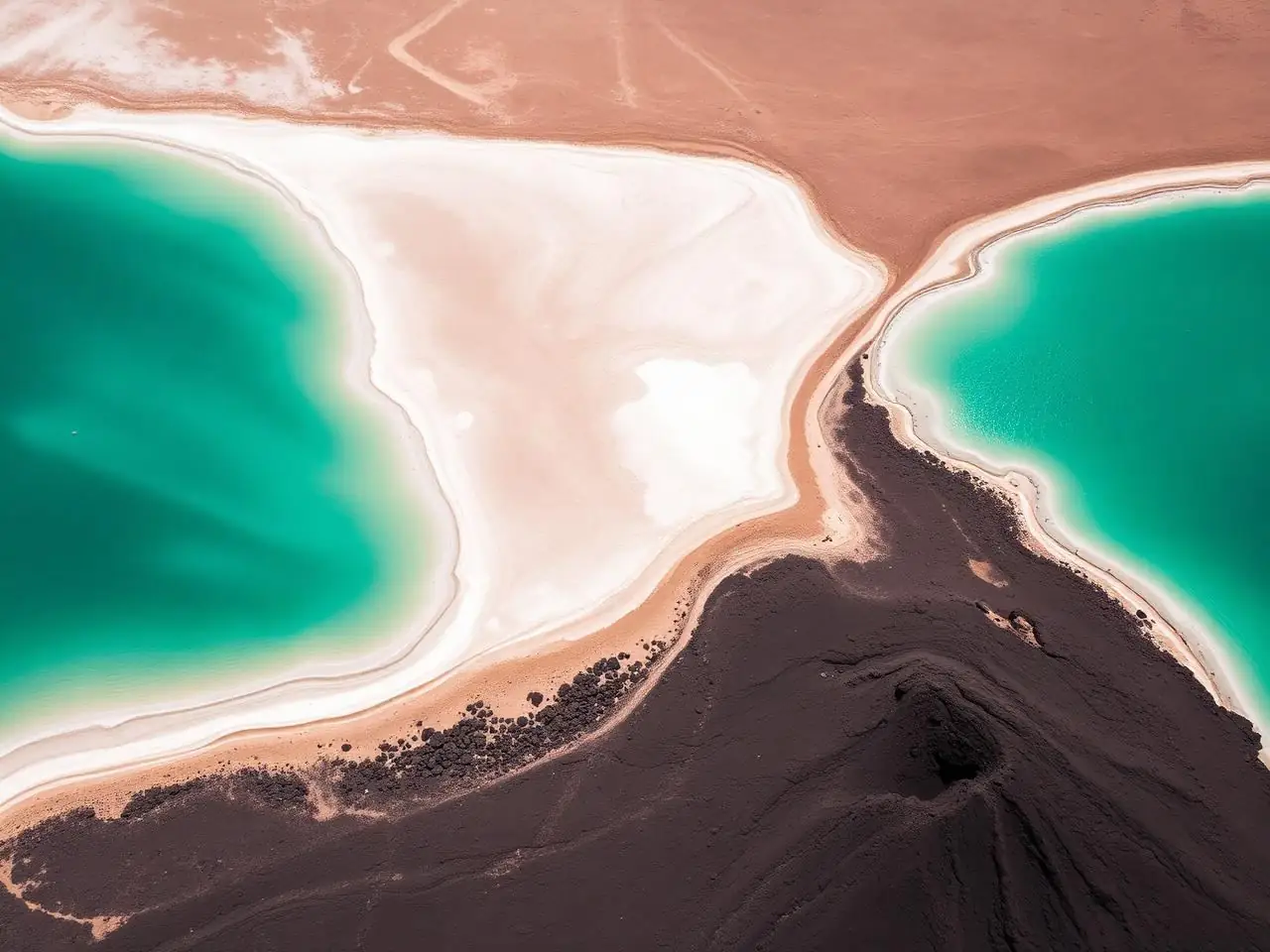
Moucha Island
Confirm the departure port, weather and return conditions with the captain. Ask for correctly fitting life jackets, especially for children, and explain your swimming ability before snorkeling.
View the programme and bookLake Assal
Ask about the route, shade breaks and water to bring. Pack sun protection and footwear suitable for salt surfaces. Avoid driving at night.
View the programme and bookLake Abbe
France Diplomatie particularly recommends a local guide at Lake Abbe and at least two vehicles on unpaved routes. Ask how this recommendation, breakdowns and communications are handled before deciding to travel.
View the programme and bookPostpone the trip if conditions or insurance are unsuitable. Paying for a booking does not certify that a trip is safe.
Solo travellers, families and personnel on assignment
Travelling solo
Arrange transport and accommodation, share your plans with someone you trust and organise your return after dark. If harassed, seek a busy place and contact your accommodation or authorities. No neighbourhood is guaranteed risk-free.
Travelling with children
Check age-appropriate protection: correctly fitting life jackets, vehicle restraints, water, shade and breaks. Tell the provider the children’s ages before booking.
Military, diplomatic and business travellers
Follow your command’s or employer’s instructions first: these may be more restrictive than public advice. An excursion advertised online is not permission to travel.
Photography and local customs
Ask permission before photographing people and check local restrictions, especially near sensitive facilities. Dress respectfully according to local customs; this advice never excuses harassment.
Djibouti travel safety checklist
- Read your country’s current travel advice and regional maps, then check them again before departure.
- Check passport, visa, insurance, evacuation cover and exclusions for areas subject to travel warnings.
- Consult a healthcare professional about vaccinations and precautions for your circumstances.
- Save your plans, contacts, documents and insurance details offline.
- Confirm the meeting point, route, equipment and contingency plan with your provider.
- Pack water, sun protection and personal medicines, and choose someone to keep informed.
What should you do in an emergency in Djibouti?
Move to safety if possible, contact local emergency services, then your insurer’s assistance service. Have your location, the number of people affected and the nature of the problem ready. For consular difficulties, contact your country’s embassy. Save contacts before leaving the city: mobile signal is not guaranteed on remote tracks.
View emergency numbers and useful contactsDjibShare WhatsApp assistance is for booking arrangements; it is not an emergency service.
Djibouti safety: frequently asked questions
Is Djibouti safe for tourists in 2026?
There is no general guarantee of safety. The advisories consulted flag terrorism, border restrictions and transport and healthcare concerns. Check your government’s advice and prepare your route and insurance before deciding to travel.
Is Djibouti a combat zone?
No, there is no armed conflict in Djibouti’s tourist areas. The phrase “combat zone” comes from US military tax rules: IRS Publication 3 lists Djibouti (as of July 1, 2002) among the countries certified by the Department of Defense for combat zone tax benefits because of their direct support of military operations in the Afghanistan combat zone. The country hosts several foreign military bases, including the US base Camp Lemonnier. That is a pay and tax status for service members, not a description of conditions for visitors. For civilians, the US advisory consulted lists Level 2 (exercise increased caution) for the country and Level 3 within 10 miles (about 16 km) of the Eritrea border. Neither status means risk-free.
Which areas should you avoid in Djibouti?
French and UK advice strongly warns against approaching the Eritrea border. Other restrictions and precautions apply to land and sea borders. Use current official maps, not a tourist list of supposedly safe areas.
Can you visit Lake Abbe without a guide?
France Diplomatie particularly recommends a local guide at Lake Abbe and at least two vehicles on unpaved routes. Check route planning, communications and contingencies; having a guide does not remove the risks.
Is Djibouti safe for solo female travellers?
This guide cannot guarantee solo travel safety. Arrange transfers and accommodation, share your plans and consult official advice for women travellers. Check local conditions before going out alone or visiting isolated areas.
What travel insurance do you need for Djibouti?
Check healthcare, medical evacuation and repatriation cover, plus exclusions related to activities and official travel warnings. Ask your insurer to confirm cover for your intended areas and excursions.
Official sources and editorial method
Prepared by DjibShare using the sources below, consulted on 21 October 2026 (IRS Publication 3 consulted on 18 November 2026). Official recommendations are distinguished from general preparation tips. Linked pages may change; read them directly before each trip. DjibShare does not establish safety rankings or crime statistics.